
Maintenance
How Do You Maintain a Metal Roof in Ohio?
Maintaining a metal roof in Ohio means checking it twice a year, keeping water moving off it, and catching small changes before they become leaks. Most of that can be done from the ground, and anything that needs someone on the roof is a job for a professional.
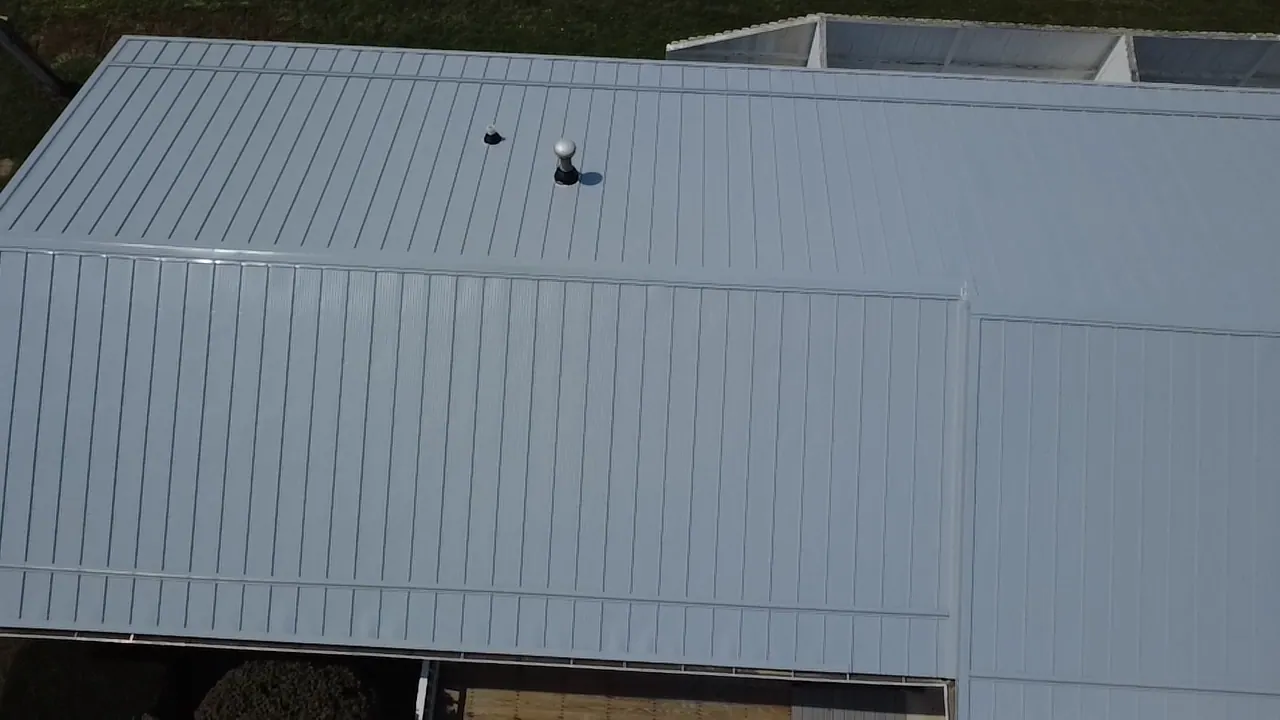
The short answer
You maintain a metal roof in Ohio by checking it in spring and fall, keeping valleys and gutters clear of leaves and debris, and looking at flashings, sealants, and fasteners as the roof ages. In winter, watch snow and ice, and keep snow from sliding onto entries and walkways.
Most checks can be done from the ground with binoculars. Do not walk on the roof to inspect it. If anything needs a closer look, get professional help.
Check the roof in spring and fall
Check the roof twice a year, in spring and fall. Spring is the time to look for anything winter left behind, such as debris, bent trim, or sealant that has pulled away. Fall is the time to clear leaves before snow arrives and to make sure water can run off the roof freely.
Use the same routine each time so you notice changes. Look at the panels, the seams, the flashings around chimneys, vents, and skylights, and the edges where the roof meets walls. If something looks different from the last check, note it and take a photo from the ground.
Keep valleys, gutters, and drainage paths clear
Leaves and debris collect in valleys, behind chimneys, and in gutters. When they sit there, they hold water against the roof and slow drainage. Clear them in spring and fall, and again after a windy spell if trees hang over the roof.
- Valleys: clear leaves and branches so water can run down and off the roof.
- Gutters and downspouts: clear them so water drains away from the home instead of backing up under the roof edge.
- Around vents, chimneys, and skylights: clear debris that traps water against flashings.
Flashings, sealants, and fasteners as the roof ages
Flashings, sealants, and exposed fasteners are the parts of a metal roof that usually need attention first. Sealant can shrink or pull away over time, and exposed fasteners can loosen as the roof expands and contracts with temperature changes. Look for sealant that is cracked or missing, and fasteners that are raised, loose, or missing.
The three systems Top Choice installs differ here. NF-16 Standing Seam, 26 gauge, uses concealed fasteners, so there are no exposed fasteners on the panel surface to check. Smooth Performance 5-Rib, 28 gauge, and Textured Quad Rib, 28 gauge, use exposed fasteners, so their fasteners are visible and worth a look during each seasonal check.
Do not tighten, reseal, or replace fasteners yourself on the roof. Note what you see and get professional help.
Snow and ice in Ohio winters
Ohio winters bring snow and ice, and a metal roof sheds snow more readily than a rough surface. Snow can slide off in sheets, so think about where it lands. Snow guards or other snow retention above entries, walkways, and driveways can help hold snow on the roof so it melts or leaves in smaller amounts.
Do not climb onto a snowy or icy roof, and do not chip ice off the roof or gutters. If ice or heavy snow is a concern, get professional advice.
Check from the ground, and leave roof access to a professional
You can do most metal roof maintenance checks from the ground. Walk around the home and look at the roof with binoculars, and look in the attic and at ceilings inside for water stains after rain or snowmelt.
Walking on a metal roof is slippery, and it can dent panels or damage the finish. Leave any work that needs roof access to a professional. If you want a closer look at the roof’s condition, request a free roof inspection and estimate.
Cleaning, in general terms
Metal roofing does not need frequent washing. If you clean it, follow the guidance for your panel’s finish, and use gentle methods. Avoid harsh methods that could damage the finish, such as abrasive scrubbing or high-pressure washing.
Leaves, dirt, and debris can usually be cleared with water and a soft brush from the ground or a ladder. If the roof needs more than that, get professional help.
What to do after a storm
After a storm, check the roof from the ground, note the date, and take photos of anything that looks different. Look for lifted or bent panels, loose trim or flashing, and debris in valleys and gutters.
Look inside, too: check ceilings and the attic for leaks or water stains. If you see damage, or you are not sure what you are seeing, get a professional inspection before assuming the roof is fine.
Keep records of your roof
Keep the paperwork for your roof in one place: the panel name, the color, and any warranty documents. Those details matter when you need matching panels, a finish question answered, or a warranty question answered.
Also keep a short log of your checks: the date, what you saw, and any photos. A simple record makes it easier to spot changes over time and to describe the roof to a roofer.
Honest limits: what Top Choice can and cannot do
Top Choice Roofers installs new residential metal roofs only. We do not do repairs, and we do not install asphalt roofs. What we can do is inspect the roof, document what we find, and give you a clear written estimate for a new roof if that is what you need. For repairs, you will need a roofer who does that work.
Frequently asked questions
How do you maintain a metal roof in Ohio? Check it in spring and fall, keep valleys and gutters clear, and look at flashings, sealants, and fasteners as the roof ages. Most checks can be done from the ground with binoculars, and anything that needs roof access is a job for a professional.
How often should I check my metal roof? Twice a year, in spring and fall, and again after a strong storm. Use the same routine each time so changes are easy to spot.
Do I need to walk on my metal roof to maintain it? No. Do not walk on the roof to inspect it. Metal roofing is slippery, and walking on it can dent panels or damage the finish. Check from the ground and leave roof access to a professional.
What should I clear off a metal roof? Leaves and debris in valleys, behind chimneys, and in gutters. Clear them in spring and fall so water can run off the roof and drain away from the home.
What happens to a metal roof in snow and ice? Snow can slide off a metal roof in sheets, so consider snow guards or other snow retention above entries, walkways, and driveways. Do not climb onto a snowy or icy roof, and do not chip ice off the roof or gutters.
Do the fasteners on my metal roof need checking? It depends on the system. NF-16 Standing Seam uses concealed fasteners, so there are no exposed fasteners on the panel surface. Smooth Performance 5-Rib and Textured Quad Rib use exposed fasteners, so check them during each seasonal check for fasteners that are raised, loose, or missing.
Can Top Choice Roofers maintain or repair my metal roof? Top Choice installs new residential metal roofs only and does not do repairs. You can still request a free roof inspection and estimate to learn the condition of your roof.

Hi, I’m Daniel, owner of Top Choice Roofers.

Daniel and the Top Choice crew were on time, spotless, and our new metal roof looks incredible. Best decision we’ve made for the house.





Get a free roof inspection
If your checks turn up anything you are unsure about, request a free roof inspection and estimate. We will document what we find and give you a clear answer on your roof’s condition.