Residential roof replacement
Replacing a Shingle Roof With Metal: What to Expect
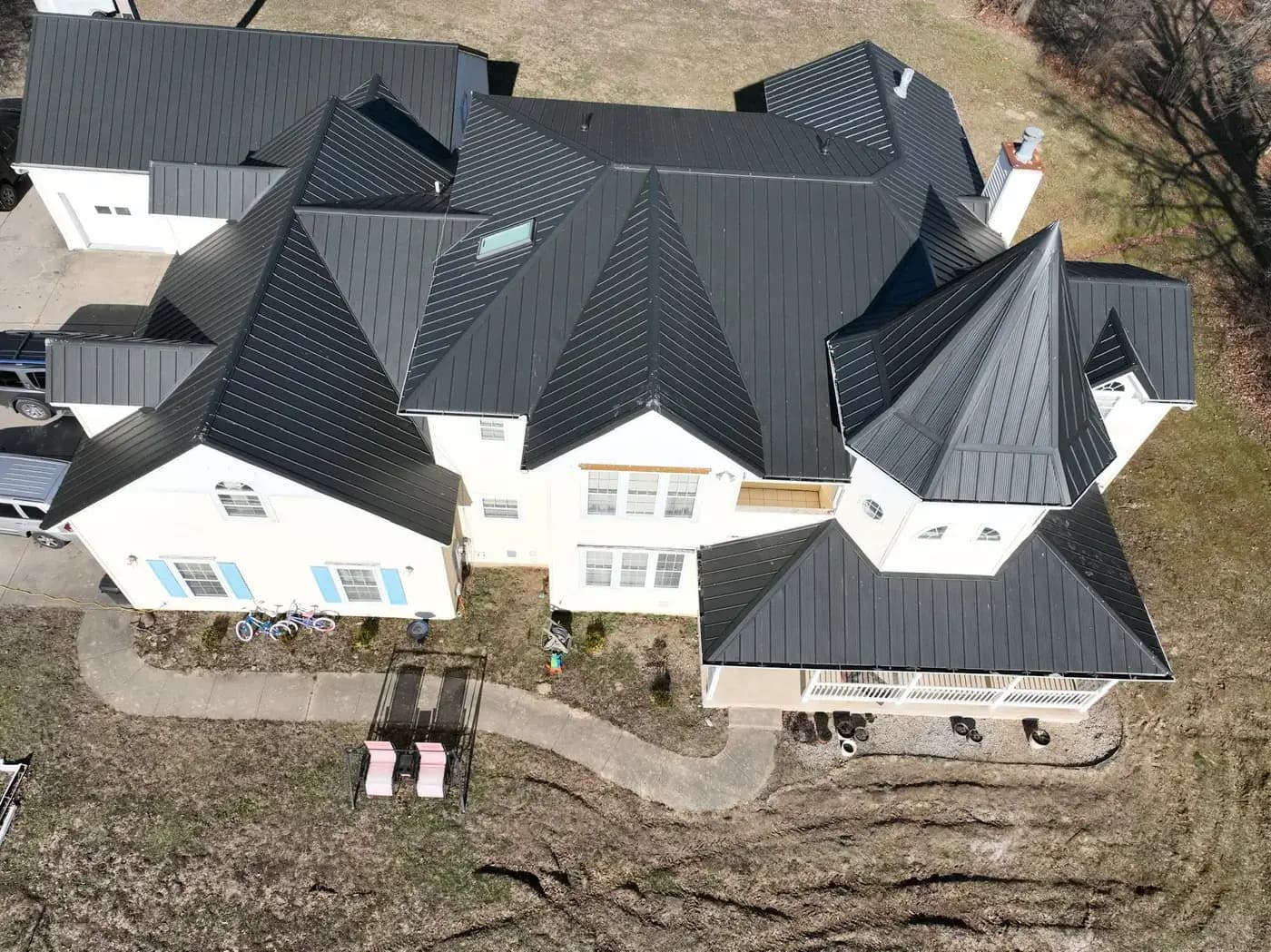
Can you switch from shingles to a metal roof? Yes—a home with shingles can be considered for a metal-roof replacement. An inspection helps establish the roof condition, preparation, and system options for your home. Choosing metal does not automatically mean it can be installed over the existing shingles.
1. Can you switch from shingles to a metal roof?
Yes. Start with a roof inspection to understand the visible condition and shape of the current roof. The findings help establish the preparation and metal-system options to discuss for your home. Ask to see any available roof and attic photos and have the relevant findings explained in plain language.
An inspection is an information-gathering step. It does not mean every roof needs immediate replacement, and Top Choice does not offer repair work.
2. Choose the metal-roofing system
Top Choice currently offers three residential metal-roof systems. Each creates a different panel pattern and has its own project-planning details.
- 28-gauge Smooth Performance 5-Rib.
- 28-gauge Textured Quad Rib with a 2x4 installation assembly.
- 26-gauge NF-16 Standing Seam.
3. Will the old shingles be removed or remain?
Do not assume the same preparation applies to every home. The existing roof condition, selected system, and project design determine what needs to be included in the written plan.
Ask the estimate to state whether existing shingles will be removed or remain, how the decking will be assessed, and what underlayment and other preparation are included. Whether existing materials remain or are removed needs to be decided for your roof after an inspection—not assumed from the choice of metal alone.
4. Account for the roof details
Panels are only one part of a finished roof. The estimate should address the details that connect and finish the system.
- Ridges, hips, valleys, rakes, and eaves.
- Walls, chimneys, and other roof transitions.
- Underlayment, trim, flashing, and ventilation details included in the project.
- Panel layout and the way the selected profile meets each roof section.
5. Review the written estimate before deciding
The written estimate should identify the system and work included for the home. Read it as a complete project description, not only as a price. Ask questions about anything that is unclear or missing.
Before deciding, ask how the proposed preparation follows from the inspection, how important transitions will be installed, what written workmanship and product warranty information applies, and whether you can see completed roofs with similar shapes and colors. Your written estimate should explain the preparation and installation work planned for your roof.
Start with the roof in front of you
Request an inspection and estimate so the existing shingle roof and the available metal systems can be discussed in the context of your home.
Request an estimate